Open Today Sales: 9 AM-8:30 PMOpen Today Service: 7:30 AM-6 PM
The 2026 Toyota bZ offers a fully electric experience, boasting up to 299 mi of range and a powerful 338 hp all-wheel-drive configuration. For those prioritizing utility, the 2026 Toyota RAV4 Plug-in Hybrid provides 34 cu ft of cargo space, 3,500 lbs of towing capacity, and 48 mi of all-electric range. Meanwhile, the compact 2026 Toyota C-HR rounds out the selection with agile handling, 338 hp, 287 mi of electric range, and 25 cu ft of cargo capacity.
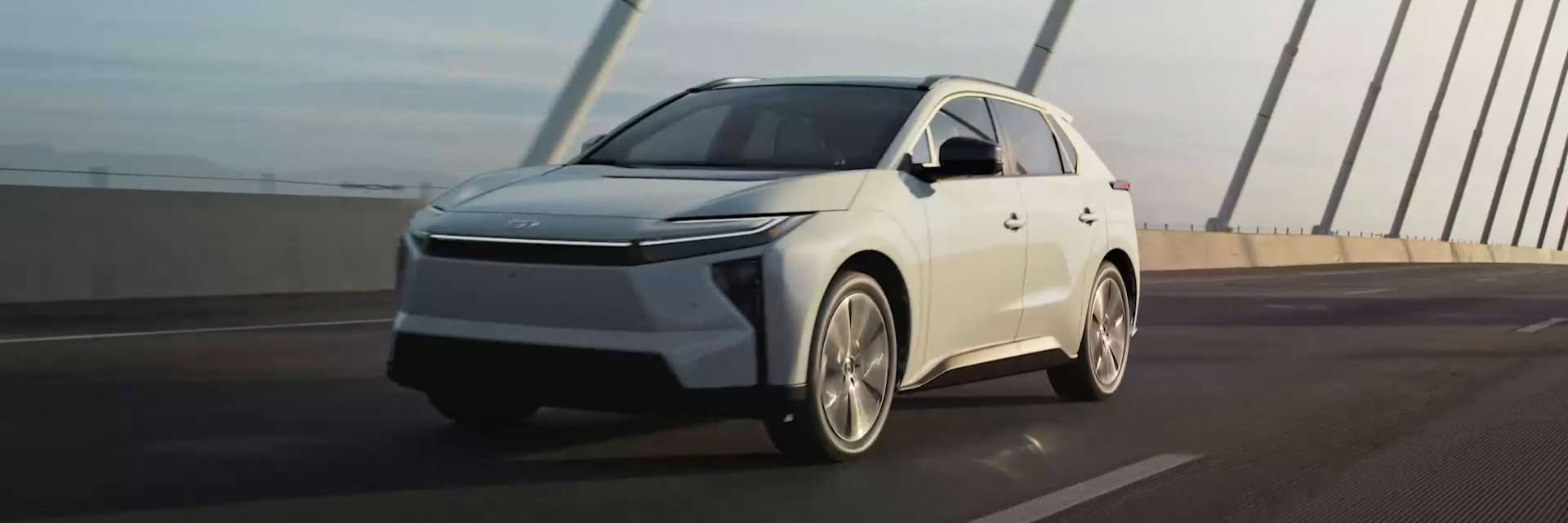
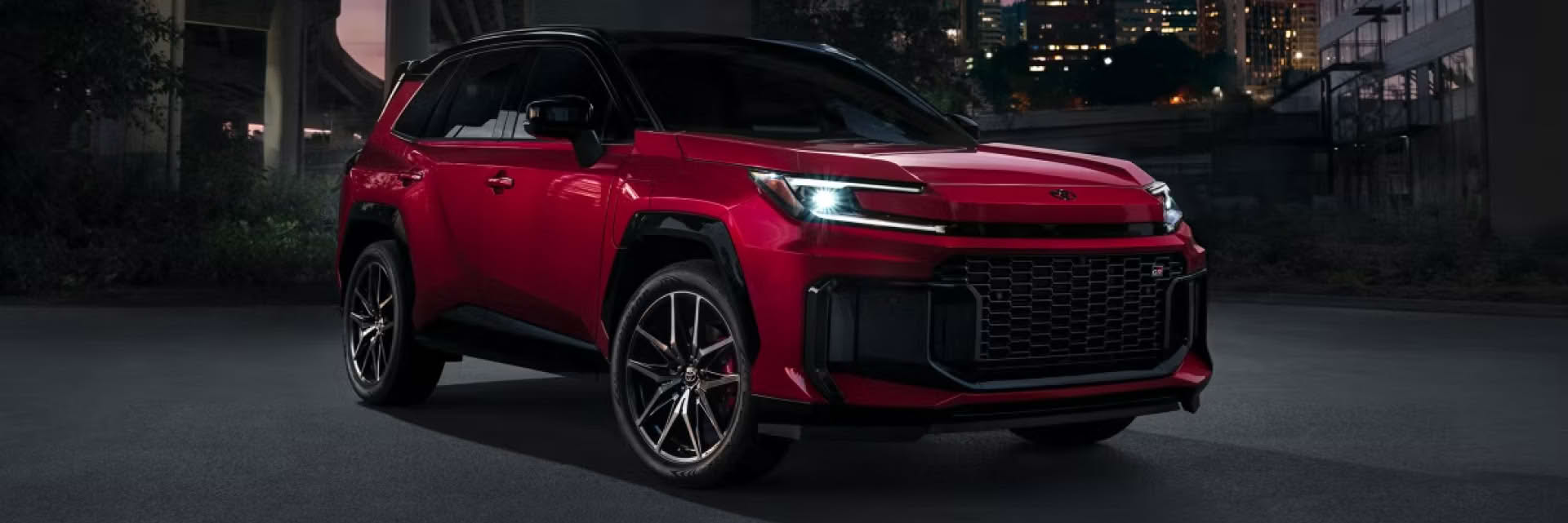
The 2026 Toyota lineup presents distinct advantages for regional drivers: the bZ provides an all-electric experience, the RAV4 Plug-in Hybrid offers extended gas-electric versatility, and the C-HR delivers a compact, maneuverable design. Suburban commuters near Kernersville may prioritize the bZ Limited FWD’s 299 mi range and zero emissions. Conversely, rural drivers around Walnut Cove often favor the RAV4 Plug-in Hybrid for its 48 mi pure EV range combined with a 2.5L engine for longer treks. Urban residents may prefer the agile, AWD-equipped 2026 Toyota C-HR for its easy handling and 4,322 lbs curb weight. Shoppers can explore our pre-owned inventory options to compare how these models fit their specific lifestyle needs.
The 2026 Toyota bZ serves as the most budget-friendly entry point into the electrified lineup. Those seeking more capability can opt for the higher bZ trim levels or move into the mid-tier 2026 Toyota C-HR, which provides robust dual-motor performance. The 2026 Toyota RAV4 Plug-in Hybrid sits at the premium end of the spectrum, offering a variety of specialized trims. When deciding between trims, buyers can value your trade-in to calculate total net costs and apply for financing online before taking a test drive.
The 2026 Toyota bZ and 2026 Toyota C-HR tie for peak horsepower honors at 338 hp in their dual motor configurations, generating rapid off-the-line acceleration across all road surfaces. In the bZ lineup, the single-motor XLE FWD outputs 168 hp and 198 lb-ft of torque, while the Limited FWD generates 221 hp and 198 lb-ft of torque. Opting for all-wheel drive in the bZ XLE AWD or Limited AWD elevates output to 338 hp and 323 lb-ft of torque, enabling a 0-60 mph acceleration time of 4.9 s. The 2026 Toyota C-HR features standard all-wheel drive with 338 hp and 269 lb-ft of torque through an automatic 1-speed transmission. The 2026 Toyota RAV4 Plug-in Hybrid pairs a 2.5L engine with an electric motor system and ECVT to produce 324 hp and 170 lb-ft of torque, while boasting a class-exclusive 3,500 lbs towing capacity.
The 2026 Toyota bZ XLE FWD Plus delivers the longest all-electric range of the comparison at 314 mi on a single charge. Across the bZ trim range, efficiency remains high: the XLE FWD achieves 144 city / 117 hwy / 130 combined MPGe with a 236 mi EV range (57.7 kWh battery), the XLE AWD delivers 131 city / 109 hwy / 120 combined MPGe with 288 mi of range, and the Limited AWD achieves 128 city / 105 hwy / 117 combined MPGe with 278 mi of range. The 2026 Toyota C-HR matches the 74.7 kWh battery capacity to achieve 127 city / 107 hwy / 117 combined MPGe and an impressive 287 mi EV range. For drivers seeking dual-fuel flexibility, the 2026 Toyota RAV4 Plug-in Hybrid uses a 22.7 kWh battery to provide 48 mi of pure electric driving before operating as a conventional hybrid at 98 MPGe combined.
The 2026 Toyota bZ XLE FWD Plus leads the group with an EPA-estimated EV range of 314 mi, followed by the bZ Limited FWD at 299 and the 2026 Toyota C-HR at 287 mi. The RAV4 Plug-in Hybrid offers 48 mi of EV range before switching to hybrid gas power.
The 2026 Toyota bZ XLE FWD is the more budget-friendly option. In contrast, the Toyota C-HR SE AWD trim commands a higher starting price, though it does include standard all-wheel drive and 338 hp performance.